
Categories
Every day, hospitals worldwide generate millions of those distinctive yellow biohazard bags, destined for incineration or landfill. As sustainability becomes a global priority, the healthcare sector is asking a critical question: is there a greener alternative?
The iconic yellow or red medical waste bag is a universal symbol of clinical safety. Its primary job is paramount: to safely contain hazardous materials and prevent the spread of infection. However, this vital tool comes with a significant environmental cost, traditionally made from fossil fuel-based plastics like polyethylene (PE), which can persist in the environment for centuries.
The push for sustainability is now knocking at the hospital's door. Let's delve into the reality of biodegradable medical waste bags from a global perspective.
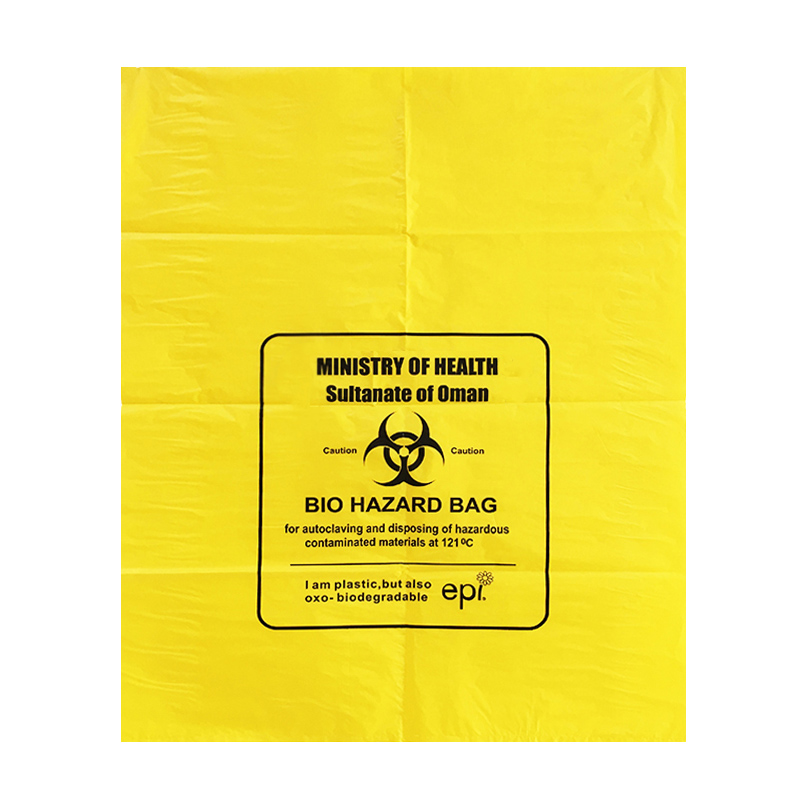
Why does medical waste impose a burden on today's world.
The scale of this challenge is immense. According to a World Health Organization report, healthcare activities generate a substantial amount of waste. To put it into perspective, The World Bank estimates that overall global plastic waste may reach 254 million tonnes per year by 2025, with medical plastics contributing to this growing problem.
The standard practice of incineration releases carbon dioxide and potentially toxic emissions, while landfill disposal leads to long-term pollution and microplastic leakage into ecosystems. This creates a tension between patient safety and planetary health—a tension the industry can no longer afford to ignore.
What are biodegradable materials.
The term "biodegradable" is often used loosely, but understanding the science behind it is crucial. For a material to be a viable alternative, it must meet stringent conditions.
Internationally recognized standards, such as ASTM D6400 (US) and EN 13432 (EU), define "compostable" plastics. These require that the material:
| EPI |
Epoxy Imidoyl Resin Adhesive |
A polymeric material comprising epoxy resin and low molecular weight polyacids. |
|
PLA |
Polylactic Acid |
Made from corn starch or
sugarcane |
| D2W |
Oxo-degradable Plastics |
Plastic fragmentation additive |
The question is: can these materials meet the high-barrier and strength requirements essential for a medical waste bag?
What are the challenges currently faced in using biodegradable garbage bags.
Replacing traditional biohazard bags is no simple task. The healthcare environment presents unique and significant hurdles:
In many countries, medical waste bags are classified as medical devices or accessories (regulated by bodies like the FDA in the US and the EMA in Europe). Any new material must undergo rigorous testing to prove it provides the same level of protection against pathogens and leakage as traditional plastics.
A medical waste bag must remain strong and intact from the point of use, through transport, to its final disposal (often incineration). A material that begins to degrade too quickly in a storage room could lead to catastrophic failures.
Even if a bag is compostable, most medical waste is—and for safety reasons, must be—incinerated. In an incinerator, the biodegradable advantage is nullified. For composting to be a viable option, a completely separate, safe, and cost-effective waste stream would need to be established—a massive logistical undertaking.
How can we strive to build a greener environment.
While a 100% biodegradable solution for all medical waste is not yet feasible, the future lies in a strategic, multi-pronged approach:
1. Transitional Solutions: Using "Greener" Plastics A practical step is adopting bio-based polyethylene, which has the same durable properties as traditional PE but comes from a renewable resource. Increasing the use of recycled plastics in non-critical applications is another key avenue.
2. Material Breakthroughs: Developing "Smart" New Polymers Research is focusing on "bio-transformation" polymers—materials engineered to remain stable during their use but degrade in specific disposal environments.
3. The Fundamental Solution: Reducing Waste at the Source Perhaps the most impactful immediate solution is waste reduction at the source. Better waste segregation can dramatically reduce the volume of plastic used.
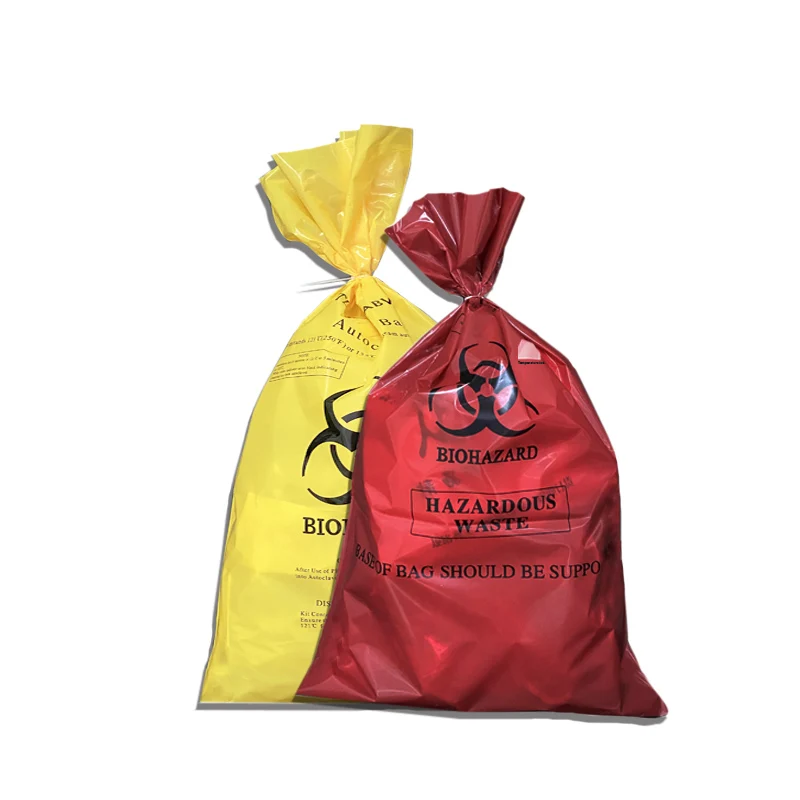
Sustainable medical waste management is complex, but momentum is undeniable. The focus is now on overcoming technical and logistical barriers to safe, practical greener medical waste bags. Hospital leaders and procurement teams globally are already discussing this—healthcare’s future hinges on healing both patients and our planet.
We Tongcheng Tianbai team has realized the new breakthrough in the field of biodegrad-able products production and printing, with our independent research and development of large multi-functional bag-making machine and large printing equipment, biodegradable products no longer limited to a single shopping packing bag, tianbai ex-tended it into different industries, such as biodegradable biohazard bags, biodegradable dust covers, biodegradable courier bags, all kinds of special-shaped and unconventional packing bags and covers.
As healthcare leans into sustainability, Tianbai’s biodegradable solutions fit eco-responsibility and practicality. For medical waste, industrial and daily needs, hope our eco-friendly options deliver solid performance—helping businesses lighten their environmental impact.

Tongcheng Tianbai Plastic Co., Ltd.






Copyright © 2012-2026 Tongcheng Tianbai Plastic Co., Ltd.. All Rights Reserved.
 IPv6 network supported
Scan to wechat:

 +86 18919699986
 inquiry@chnpack.com